


 Deutsch
 English
 Español
 Français
 Nederlands
 Português


 Share





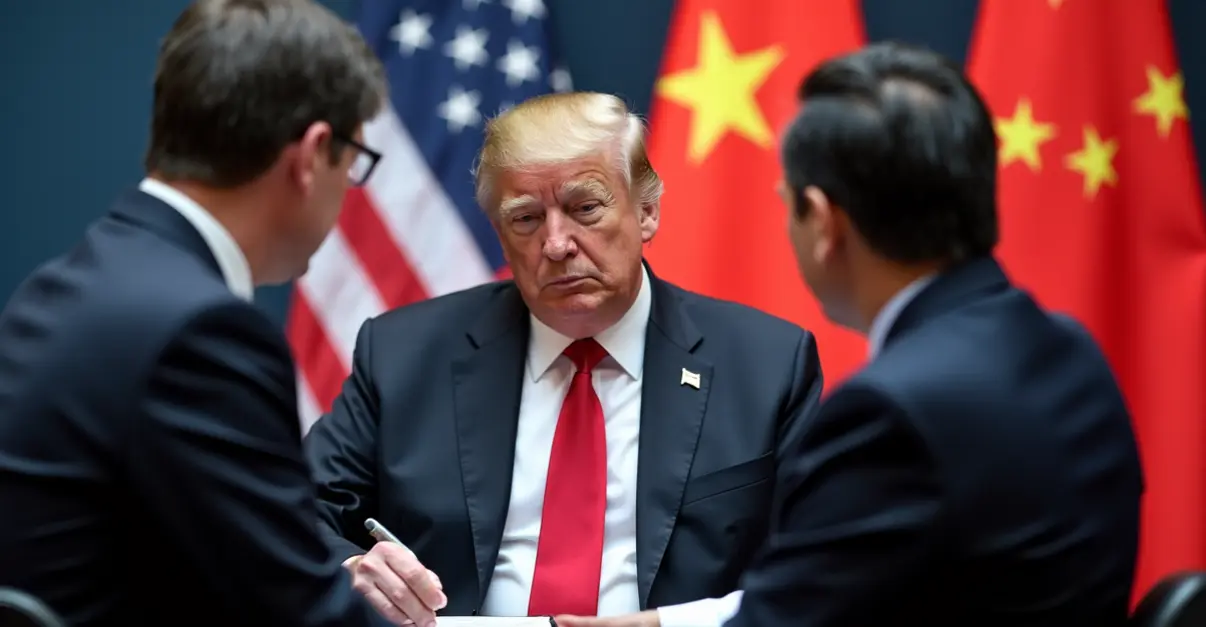
The Trump administration on 25 November 2026 proposed new tariffs on 14 trading partners, including China, Japan and the European Union, a sweeping move that escalates global trade tensions and targets many of America's largest economic counterparts. U.S. Trade Representative officials said the measures would not take effect earlier than a couple of months and argued that trading partners already know what is being proposed. The announcement, made amid already elevated concerns over inflation, supply chains and global trade rules, immediately became a major trade-policy signal, with U.S. officials trying to reassure markets that the tariffs are not imminent.
What Are the Proposed US Tariffs?
According to a statement from the Office of the U.S. Trade Representative, the proposed tariffs are part of a broader push against what the administration calls unfair trade practices, including currency manipulation, forced technology transfer and non-tariff barriers. While the full list of 14 trading partners has not been released in detail, officials confirmed that China, Japan and the EU are among those targeted. The proposed rates vary by country and product category, with steel, aluminum, semiconductors and electric vehicles expected to be among the affected sectors. This move follows earlier rounds of US tariffs on Chinese goods and expands the conflict to multiple fronts.
Which Countries Are on the List?
Although the complete list remains unpublished, trade officials indicate that in addition to China, Japan and the EU, the 14 partners likely include India, Mexico, Canada, South Korea, Vietnam, Taiwan, Brazil, the United Kingdom, Australia, Indonesia and Turkey. These countries collectively account for more than two-thirds of U.S. goods imports. The inclusion of close allies such as Japan and the EU signals a shift away from targeted measures toward a more comprehensive approach to trade enforcement.
Why Is the US Proposing These Tariffs?
The administration argues that these trading partners have maintained practices that disadvantage American workers and companies, including state subsidies, intellectual property theft and market access restrictions. The move is also seen as a negotiating tactic ahead of planned bilateral trade talks. US trade policy experts note that similar tariff threats in 2025 led to renegotiated agreements with several countries. A senior U.S. official said, “Our partners know exactly what we are asking for, and this is about getting them to the table.”
Timeline and Implementation
U.S. Trade Representative officials emphasized that the tariffs would not take effect earlier than a couple of months, with a formal notice-and-comment period expected. This delay is intended to allow for negotiations and to reduce immediate market disruption. However, the announcement alone has already caused volatility in currency and equity markets, with the Japanese yen and euro both weakening against the dollar.
Impact on Global Trade and Inflation
Economists warn that tariffs of this scope could raise consumer prices and disrupt global supply chains, especially in electronics, automotive and agricultural sectors. The Peterson Institute for International Economics estimates that the combined tariffs could reduce U.S. GDP by 0.4% and increase inflation by 0.6 percentage points over two years. The EU and Japan have both signaled they may retaliate, while China called the move “economic coercion.” PIIE trade research suggests that broad tariff increases tend to have negative net effects on domestic employment.
What Experts Are Saying
“This is a classic pressure campaign, but the breadth of the targets makes it riskier than previous rounds,” said a senior trade analyst at a Washington think tank. “The administration is trying to create leverage, but it also risks a multi-front trade war.” Analysts also point to the 2026 global trade outlook as a key uncertainty for businesses planning supply chain investments.
Frequently Asked Questions
When were the new US tariffs announced?
The proposal was announced on 25 November 2026 by the U.S. Trade Representative.
Which countries are included in the 14 trading partners?
The confirmed targets include China, Japan and the European Union, with India, Mexico, Canada, South Korea and others also expected on the list.
When will the tariffs take effect?
Officials said the tariffs would not take effect earlier than a couple of months, following a notice-and-comment period and potential negotiations.
Why is the US proposing these tariffs?
The administration cites unfair trade practices such as currency manipulation, forced technology transfer and market access barriers.
How will the tariffs affect consumers?
Tariffs are likely to raise prices on imported goods, including electronics and vehicles, and could add to inflationary pressures.
Conclusion
The proposed tariffs on 14 trading partners mark a significant escalation in U.S. trade policy, with broad economic implications. While the delayed implementation offers a window for negotiation, the announcement alone has already rattled markets and drawn threats of retaliation. Businesses and policymakers will closely watch the US trade negotiations 2026 for signs of de-escalation or further conflict.




Follow Discussion